

The 7 Biggest Mistakes Commercial Property Owners Make Before Renovating
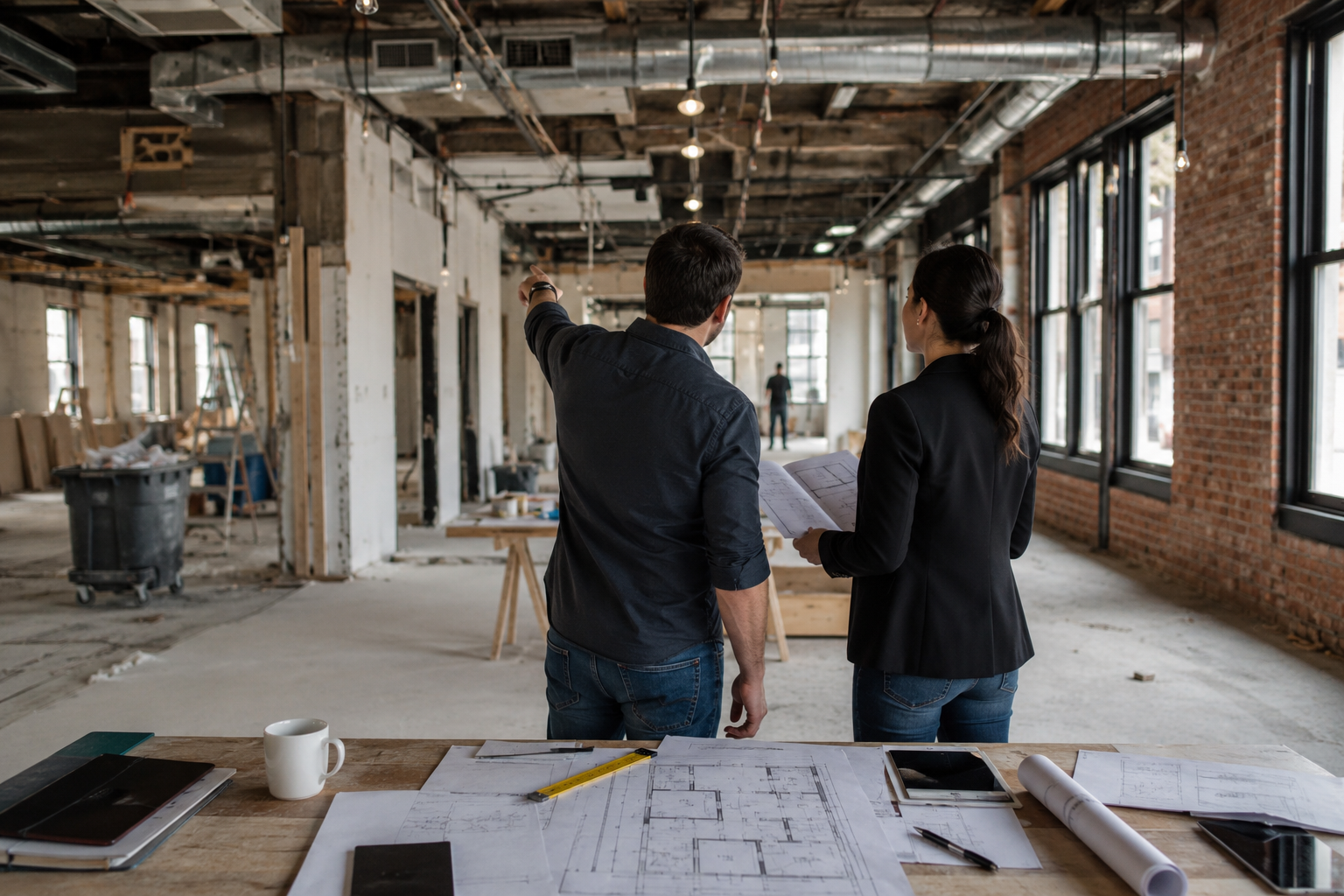
Whether you’re remodeling an office, modernizing a retail space, updating a restaurant, or repurposing an older commercial building, a renovation is a significant investment. Done right, it can increase property value, improve tenant satisfaction, attract new customers, and extend the life of your building. Done poorly, it can lead to expensive change orders, project delays, and missed opportunities.
After nearly two decades of working on commercial projects throughout Washington, Idaho, Montana, and Missouri, we’ve seen many of the same mistakes repeated time and time again. The good news? Most of them are completely avoidable with the right planning and the right team. Here are seven of the biggest mistakes commercial property owners make before starting a renovation.
1. Jumping Straight to Construction Without a Plan
It’s easy to get excited about a renovation and want to start demolition as soon as possible. Unfortunately, rushing into construction without a clear design and planning process almost always costs more in the long run.
A successful commercial renovation starts long before the first wall comes down. Understanding how the space functions, how people move through it, and what your long-term goals are allows the design team to create solutions that save money while improving the finished product.
Investing time in planning often prevents costly changes once construction is underway.
2. Ignoring Existing Building Conditions
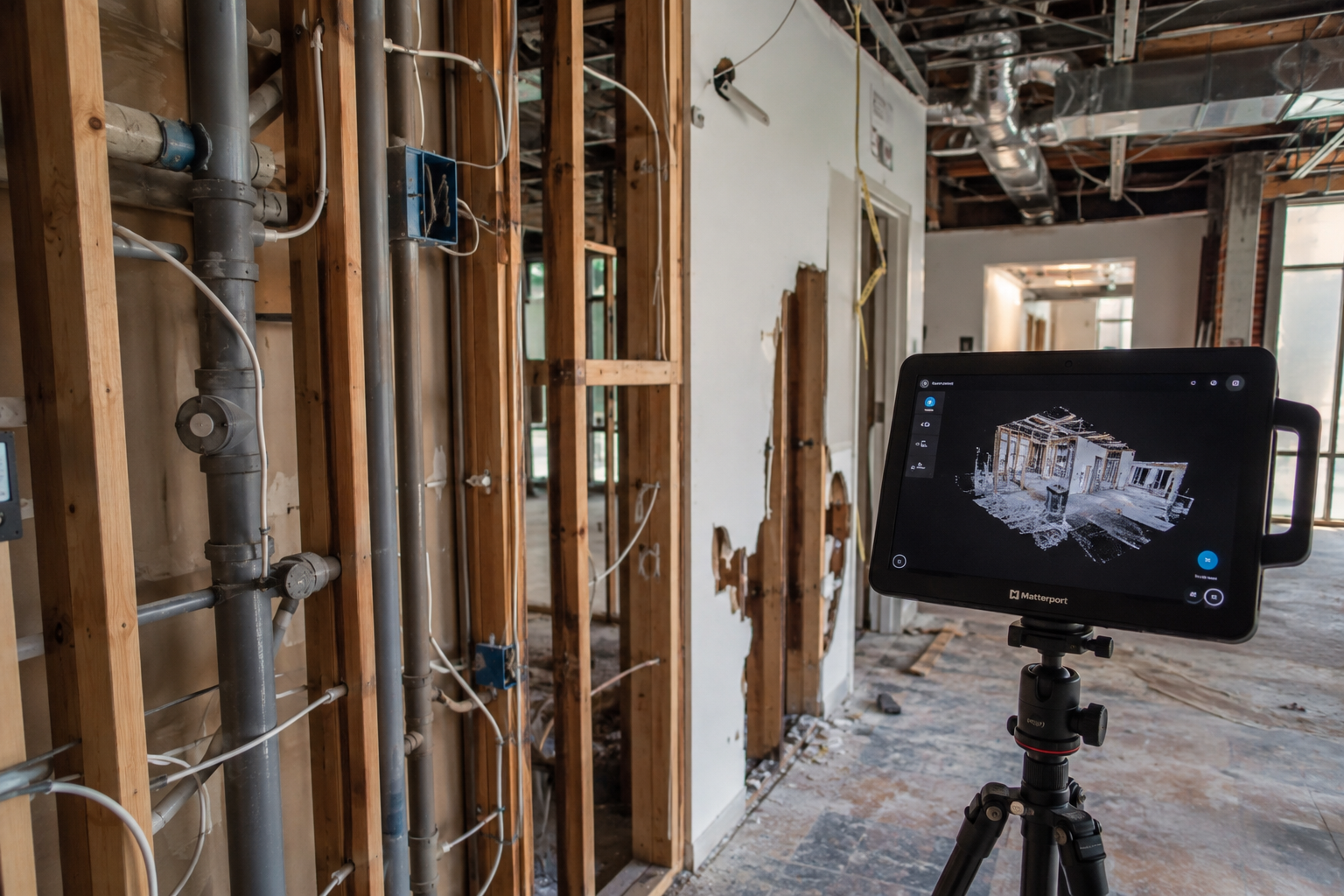
One of the biggest unknowns in any renovation is what’s hiding behind the walls.
Older buildings may contain outdated electrical systems, aging plumbing, structural issues, water damage, or undocumented modifications from previous remodels. Assuming everything is in good condition can quickly derail a budget once demolition begins.
This is where existing condition documentation, as-built drawings, and technologies like Matterport 3D scanning become invaluable. Having an accurate understanding of the building before design begins allows architects and engineers to make informed decisions and reduces unpleasant surprises later.
3. Underestimating Permits and Building Codes
Many owners assume that because they’re “just remodeling,” permits won’t be complicated.
In reality, commercial renovations often trigger code upgrades related to accessibility, fire protection, energy efficiency, life safety, occupancy classifications, and structural requirements.
Every city and county also has its own review process.
Planning for permitting early—and working with professionals familiar with local jurisdictions—helps avoid delays that can push projects back weeks or even months.
4. Designing Only for Today’s Needs
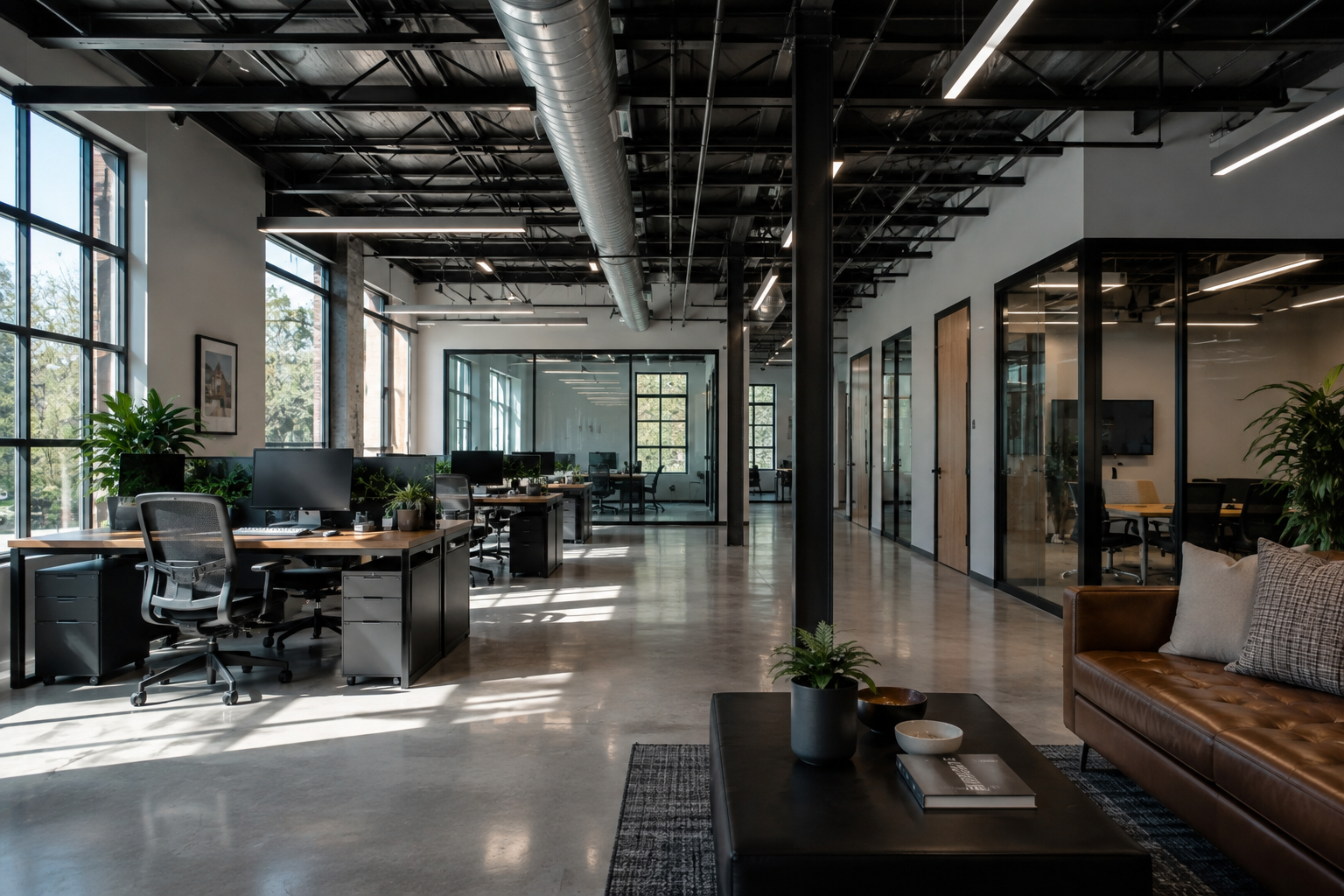
A renovation is the perfect opportunity to think beyond immediate needs. Businesses evolve. Staffing changes. Technology advances. Tenant expectations shift. Designing flexible spaces today can save significant money tomorrow by making future expansions or reconfigurations much easier.
Questions worth considering include:
Will the business grow over the next five to ten years?
Could the space serve multiple tenants someday?
Are utility systems sized for future equipment?
Is there room for changing technology or operational needs?
Thinking ahead creates buildings that continue delivering value long after construction is complete.
5. Choosing the Lowest Bid Instead of the Best Value
Every owner wants to control costs, but selecting a contractor based solely on the lowest number can become one of the most expensive decisions of the project.
The lowest bid doesn’t always include the same scope of work, quality of materials, or level of experience. Experienced contractors understand commercial construction, communicate well, coordinate subcontractors effectively, and identify potential problems before they become expensive issues.
Looking at qualifications, references, communication, scheduling, and overall value often produces a smoother project and a better finished product.
6. Forgetting About Operations During Construction
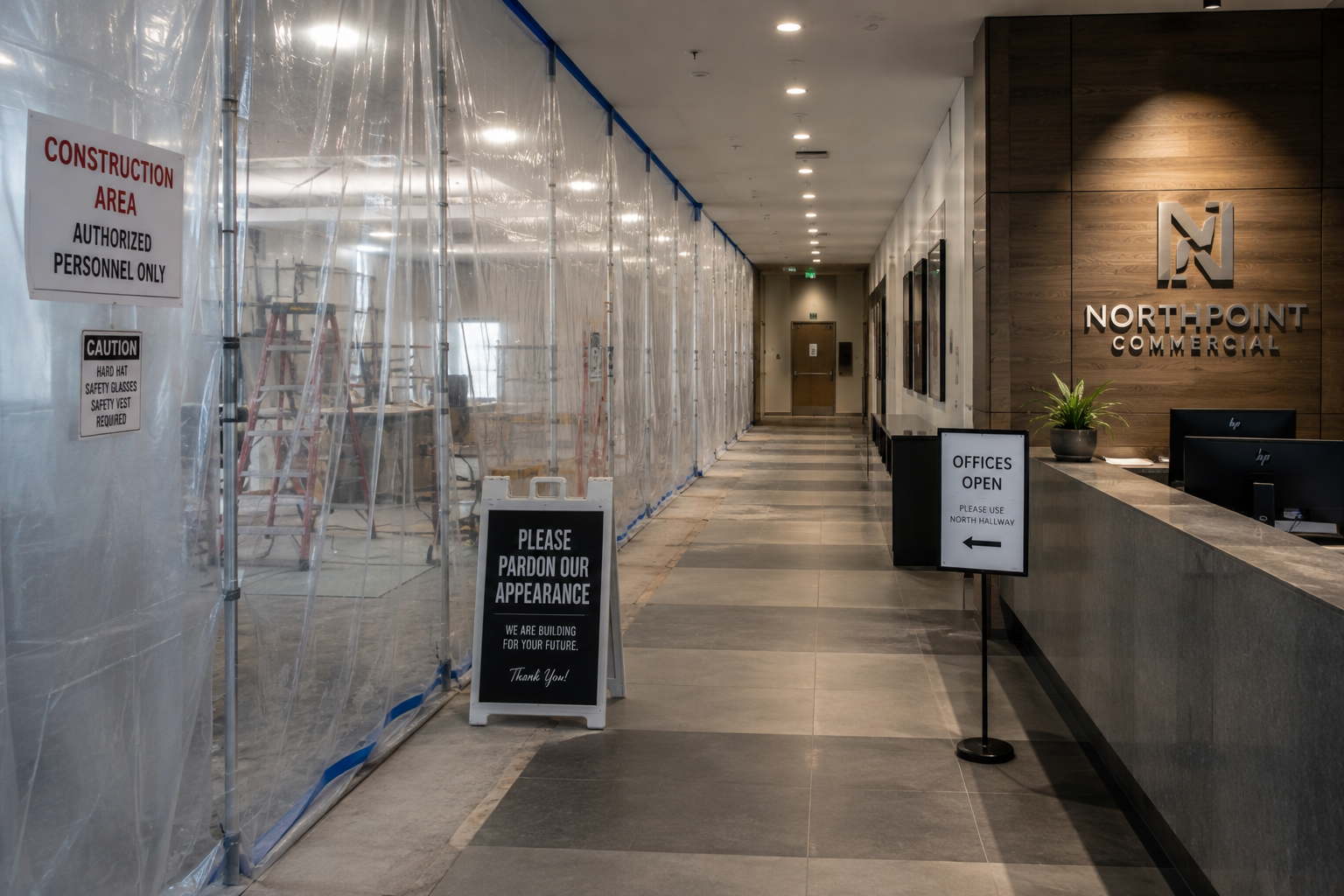
Many commercial buildings remain occupied while renovations take place. Without careful planning, construction can interfere with employees, customers, tenants, deliveries, parking, accessibility, and day-to-day business operations.
A thoughtful renovation plan considers:
Phased construction
Temporary entrances
Noise control
Dust management
Safety barriers
Scheduling work during off-hours when appropriate
Protecting normal business operations is just as important as completing the renovation itself.
7. Waiting Too Long to Involve an Architect
Some property owners contact an architect only after they’ve hired contractors or developed their own layout ideas. While architects certainly produce construction drawings, the greatest value often comes much earlier. An architect helps evaluate options, identify constraints, coordinate consultants, improve building efficiency, navigate permitting, and find creative solutions that owners may never have considered. Bringing an architect into the conversation early frequently saves both time and money by preventing expensive redesigns later.
Renovate With Confidence
Commercial renovations are exciting opportunities to improve your property, strengthen your business, and increase long-term value—but success starts well before construction begins.
Careful planning, accurate building documentation, thoughtful design, and experienced project coordination all work together to create a smoother renovation process and a better finished result.
At Revival Architects, we’ve spent nearly 20 years helping commercial property owners transform offices, retail spaces, restaurants, mixed-use developments, municipal buildings, and other commercial properties throughout Washington, Idaho, Montana, and Missouri. Whether you’re planning a tenant improvement, adaptive reuse project, complete renovation, or facility modernization, our team is here to help you navigate every step of the process.
If you’re considering a commercial renovation, we’d love to help you turn your vision into reality. Let’s start the conversation—and let the revival begin.