

Thinking About Buying a Commercial Building? Read This Before You Close.
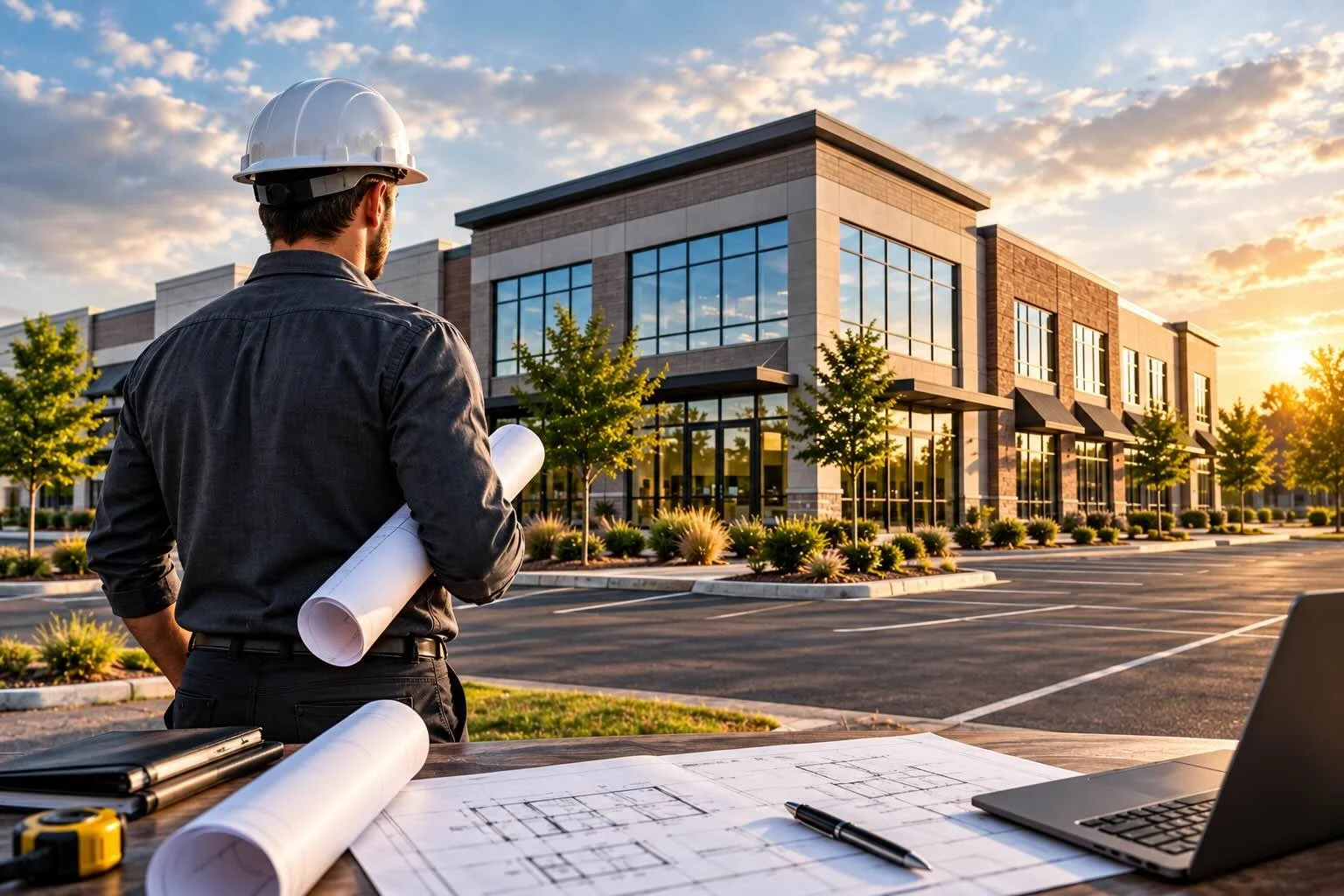
Buying a commercial building can be one of the biggest investments you make for your business or real estate portfolio. Whether you’re purchasing an office building, retail property, warehouse, industrial facility, medical office, or mixed-use commercial property, there’s a lot more to consider than the purchase price.
A commercial property that looks like a great deal on paper can quickly become expensive if you discover a failing roof, outdated electrical system, HVAC problems, drainage issues, environmental concerns, or deferred maintenance after closing.
That’s why commercial property due diligence is so important.
Before you buy a commercial building, you need to understand exactly what you’re buying—and what it may cost you after the keys are in your hand. A thorough commercial building inspection can help uncover problems, identify future expenses, and give you valuable information before your due diligence period expires.
Here’s what every buyer should know before closing on a commercial property.
Buying a Commercial Building Is Different From Buying a House
Many first-time commercial property buyers assume the process is essentially the same as purchasing residential real estate. It isn’t. Commercial buildings often have larger and more complicated systems, and repairs can be considerably more expensive.
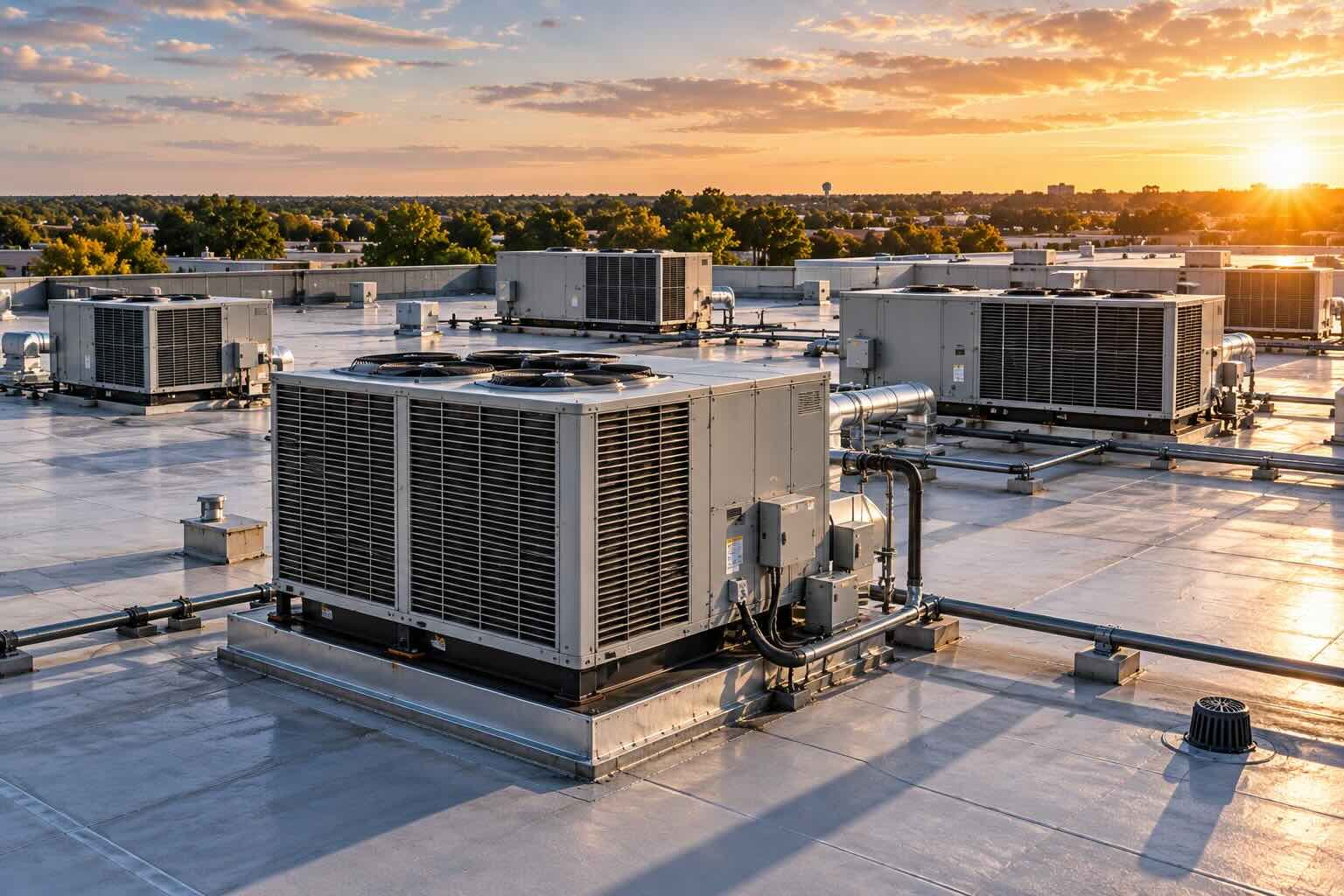
Instead of one residential HVAC unit, for example, a commercial building might have several rooftop units serving different areas of the property. Electrical service may need to support specialized equipment, multiple tenants, or substantial commercial loads. Roofing systems can cover tens of thousands of square feet. Fire protection, accessibility, drainage, parking areas, elevators, loading docks, and other components may also need to be considered.
The condition of these systems can have a significant impact on the actual value of a commercial property.
A building that appears inexpensive could require substantial capital improvements shortly after closing. Conversely, a property with well-maintained systems and recent upgrades may justify a higher purchase price because fewer major expenses are waiting around the corner.
That’s why the question shouldn’t simply be:
“Can I afford to buy this building?”
It should also be:
“Can I afford to own this building?”
What Is Commercial Property Due Diligence?
Commercial real estate due diligence is the process of investigating a property before completing the purchase.
The goal is to understand the building’s physical condition, financial obligations, legal considerations, operational requirements, and potential liabilities before you become the owner.
Depending on the property and transaction, commercial property due diligence may involve reviewing leases and financial records, confirming zoning and permitted uses, researching title and survey issues, evaluating environmental concerns, reviewing maintenance records, and inspecting the physical building.
For many buyers, the commercial property inspection is one of the most important parts of that process because it provides a closer look at the condition of the property itself.
1. Start With the Roof
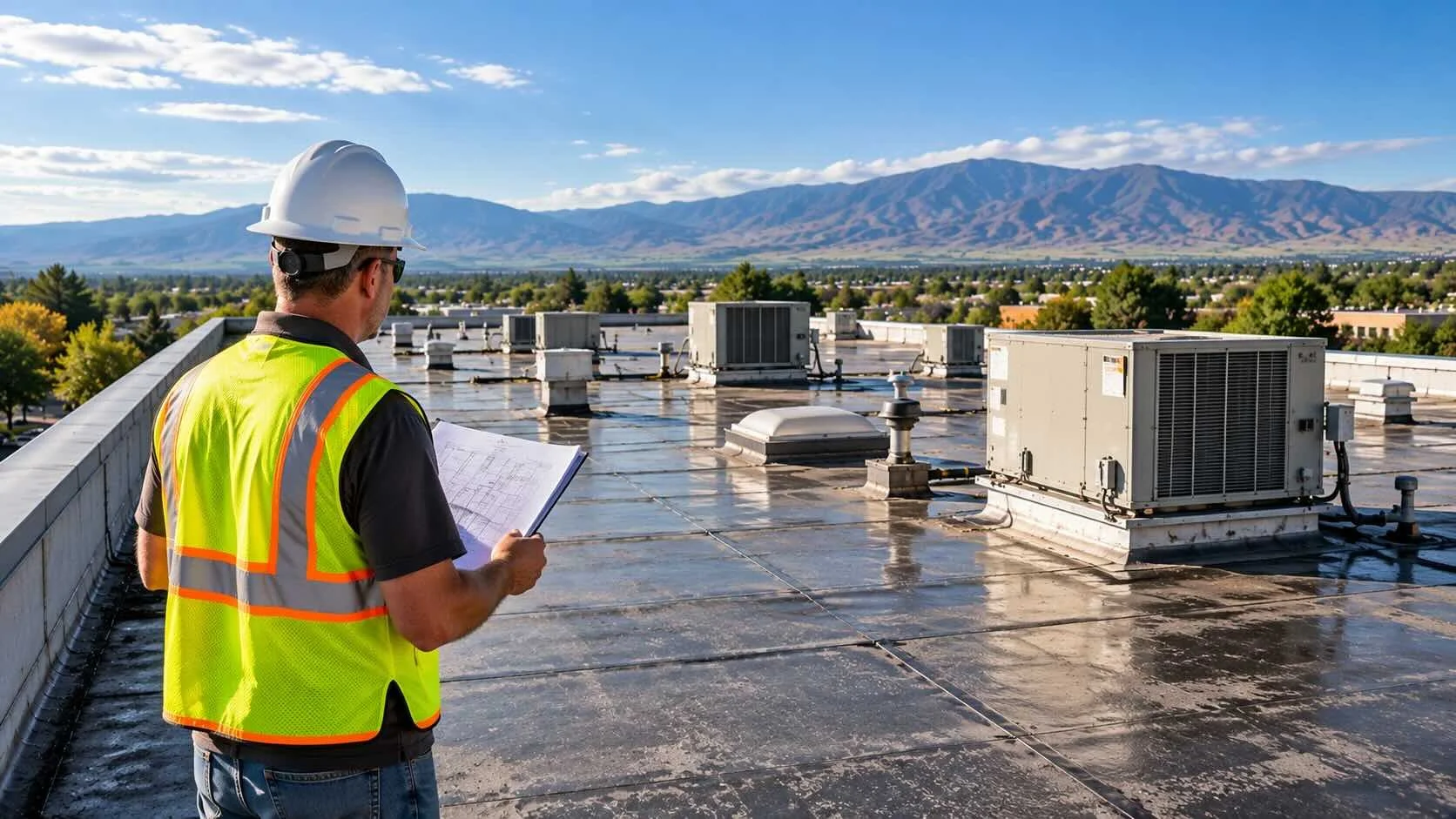
When evaluating a commercial building, the roof deserves serious attention.
Commercial roof replacement can represent a substantial capital expense, particularly on large office, retail, warehouse, and industrial properties.
During your due diligence period, determine the roof’s approximate age, roofing material, maintenance history, known leaks, previous repairs, warranty information, and expected remaining service life.
Look for signs of deterioration such as ponding water, damaged membranes, deteriorated flashing, previous patchwork, clogged drainage systems, or evidence of moisture intrusion inside the building.
A roof doesn’t necessarily have to be new for a property to be a good purchase. You simply want to understand its condition and whether a significant roofing expense could be approaching. If the roof may need replacement soon, that information can be extremely valuable before closing.
2. Understand the HVAC System—and Its Age
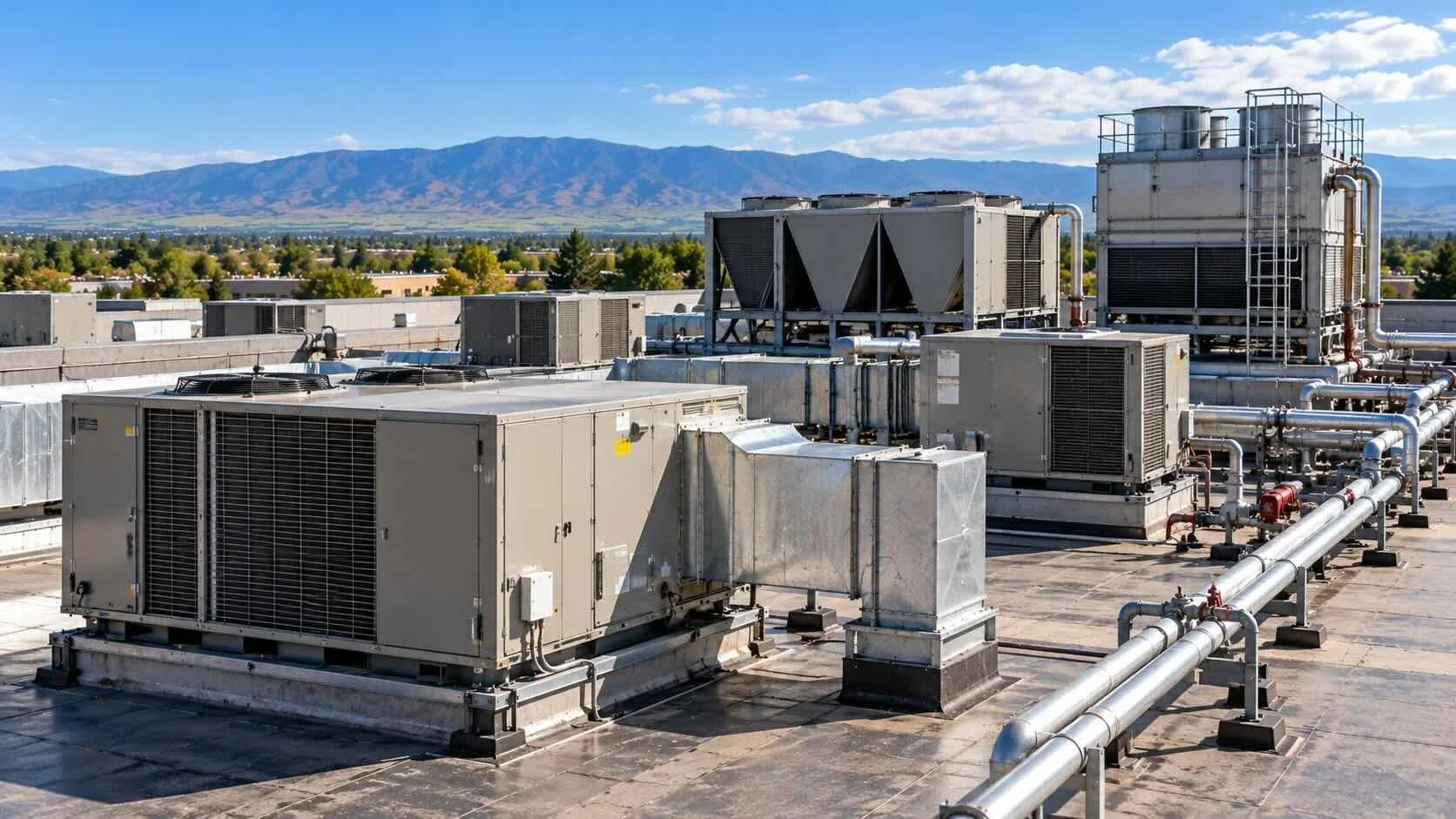
Commercial HVAC systems are another potentially expensive component.
Depending on the building, you may encounter rooftop package units, split systems, boilers, chillers, cooling towers, make-up air units, exhaust systems, or combinations of several systems.
Don’t just verify that the building currently heats and cools.
Find out:
How old are the HVAC units?
What areas does each unit serve?
Have they been regularly maintained?
Are there service records available?
Have major components been replaced?
Are any systems nearing the end of their expected service life?
Are replacement parts readily available?
Several aging HVAC units can turn into a significant capital expense surprisingly quickly. Knowing their approximate condition before buying the property allows you to plan accordingly instead of discovering the problem during your first summer or winter as the new owner.
3. Don’t Ignore the Electrical System
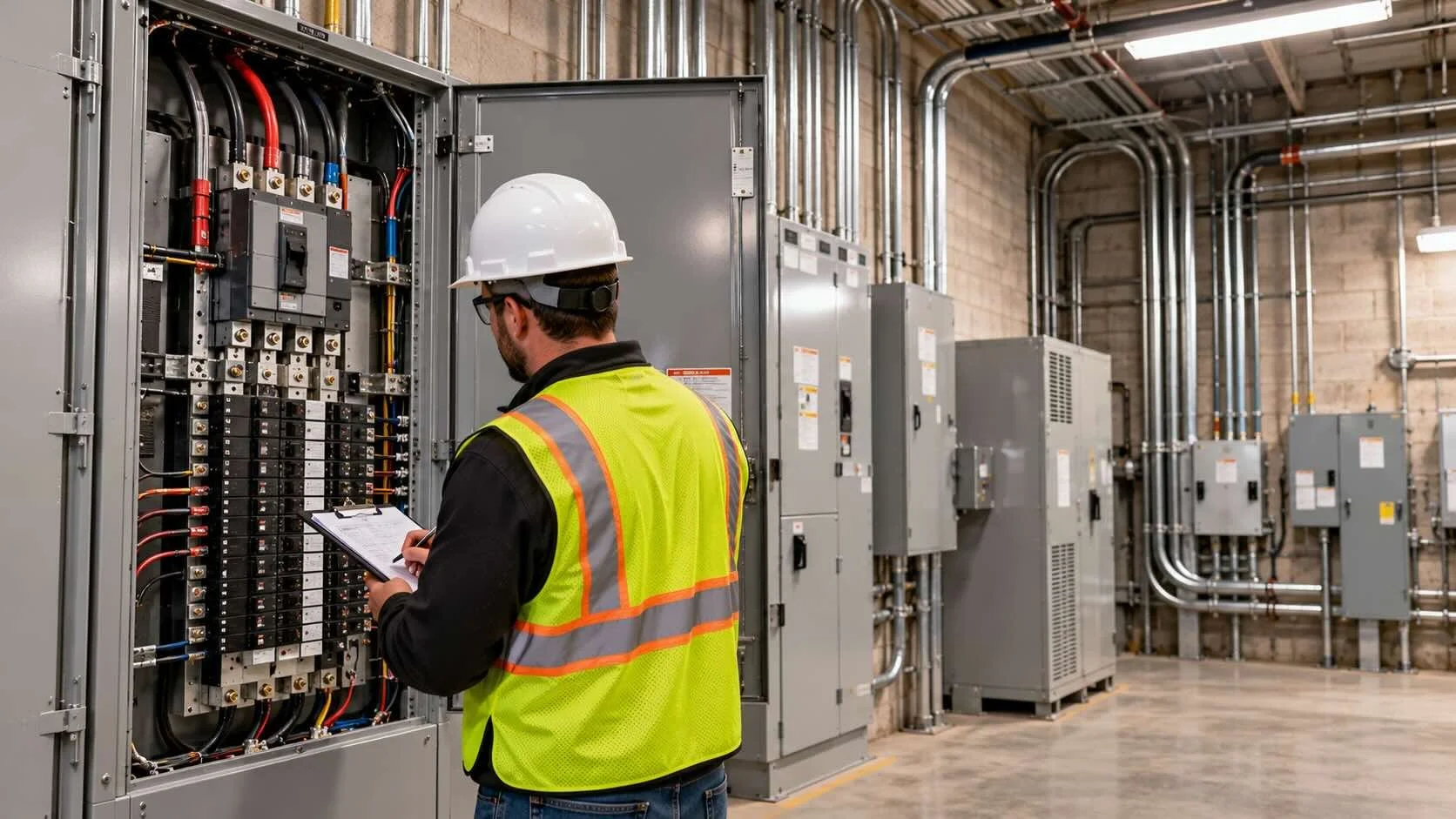
Electrical problems aren’t always obvious during a property walkthrough.
A commercial building’s electrical system should be evaluated for visible condition, service capacity, distribution equipment, panels, wiring, and other accessible components.
This becomes especially important if you plan to change the building’s use.
A property that previously housed offices may have very different electrical requirements from a restaurant, manufacturing operation, medical facility, automotive business, or other specialized commercial use. Even when the existing electrical system is functional, it may not necessarily provide what your business or future tenants need.
Understanding electrical capacity before purchasing a commercial building can help prevent an expensive surprise during renovations.
4. Look Closely at Plumbing and Drainage
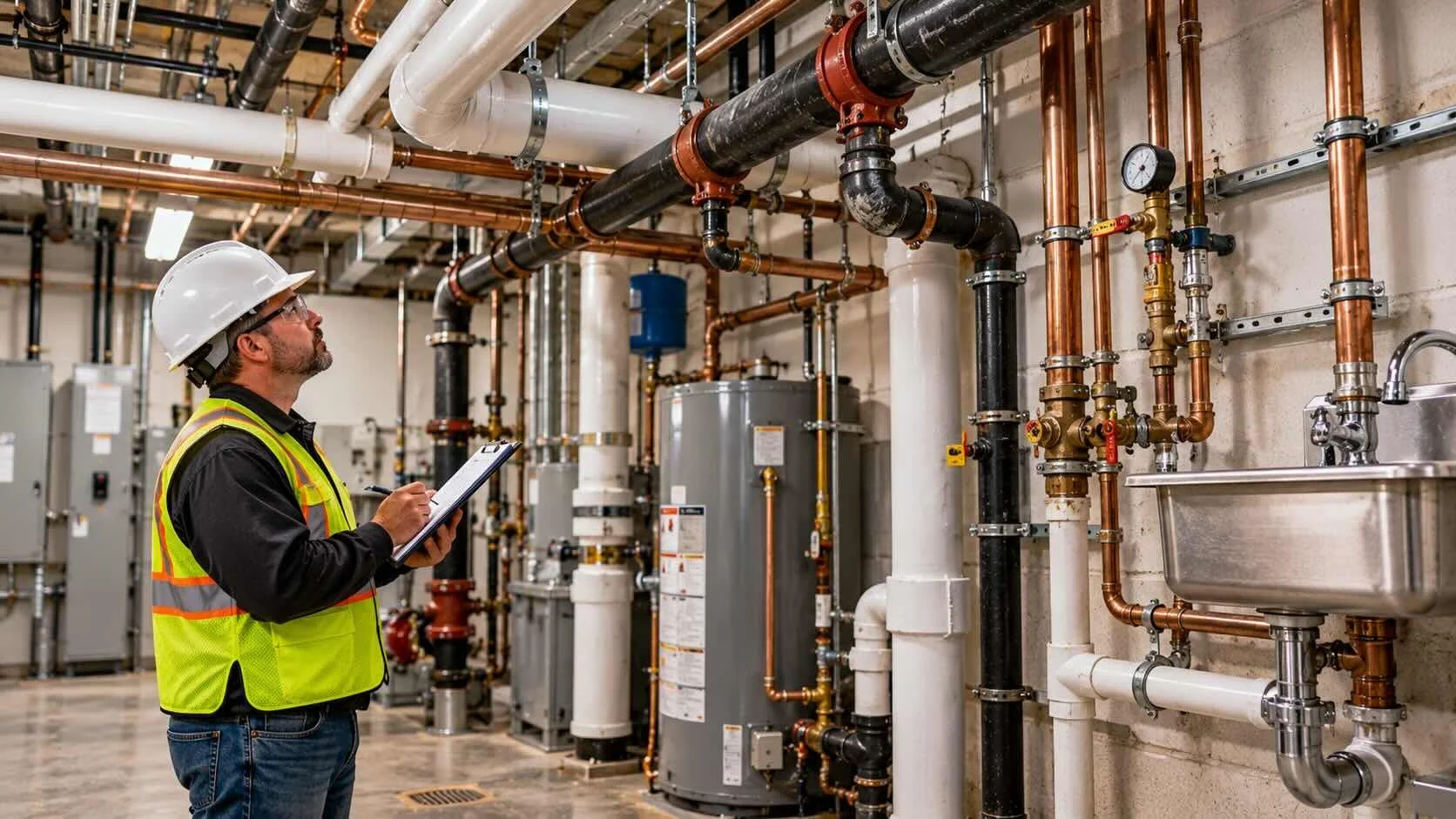
A small plumbing issue can become a major problem in a commercial property.
Inspectors may evaluate visible supply and drain piping, plumbing fixtures, water heaters, signs of leakage, drainage concerns, and other accessible plumbing components.
Older commercial buildings deserve particularly careful evaluation because aging plumbing materials or years of repairs and modifications can create problems that aren’t immediately obvious.
Exterior drainage matters too. Water should move away from the building rather than toward it. Poor grading, clogged drains, deteriorated gutters or downspouts, and improperly managed stormwater can contribute to moisture intrusion and foundation problems.
Evidence of repeated water intrusion should never be dismissed simply because the building is dry on inspection day.
5. Pay Attention to the Building Envelope
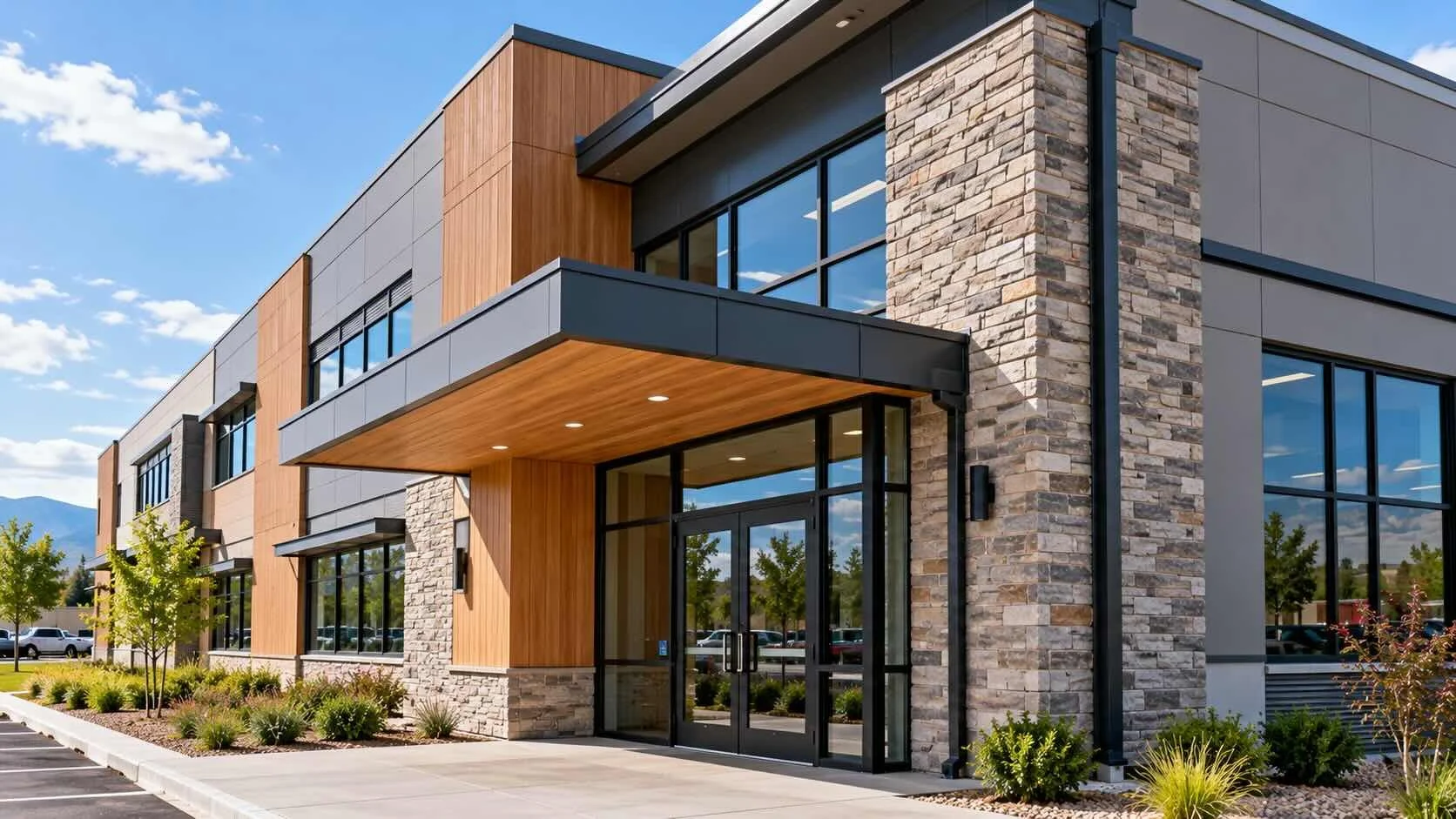
The building envelope separates the conditioned interior of a building from the outside environment.
It includes components such as exterior walls, windows, doors, roofing interfaces, sealants, flashing, and other exterior assemblies.
Problems with the building envelope can allow water or outside air into the structure and may contribute to deterioration, uncomfortable interior spaces, higher energy costs, and ongoing maintenance problems.
Look for cracking, damaged exterior materials, deteriorated sealants, corrosion, staining, gaps around penetrations, and evidence of previous water intrusion. Sometimes a seemingly minor exterior defect is a clue to a much larger issue.
6. Inspect the Foundation and Structural Components
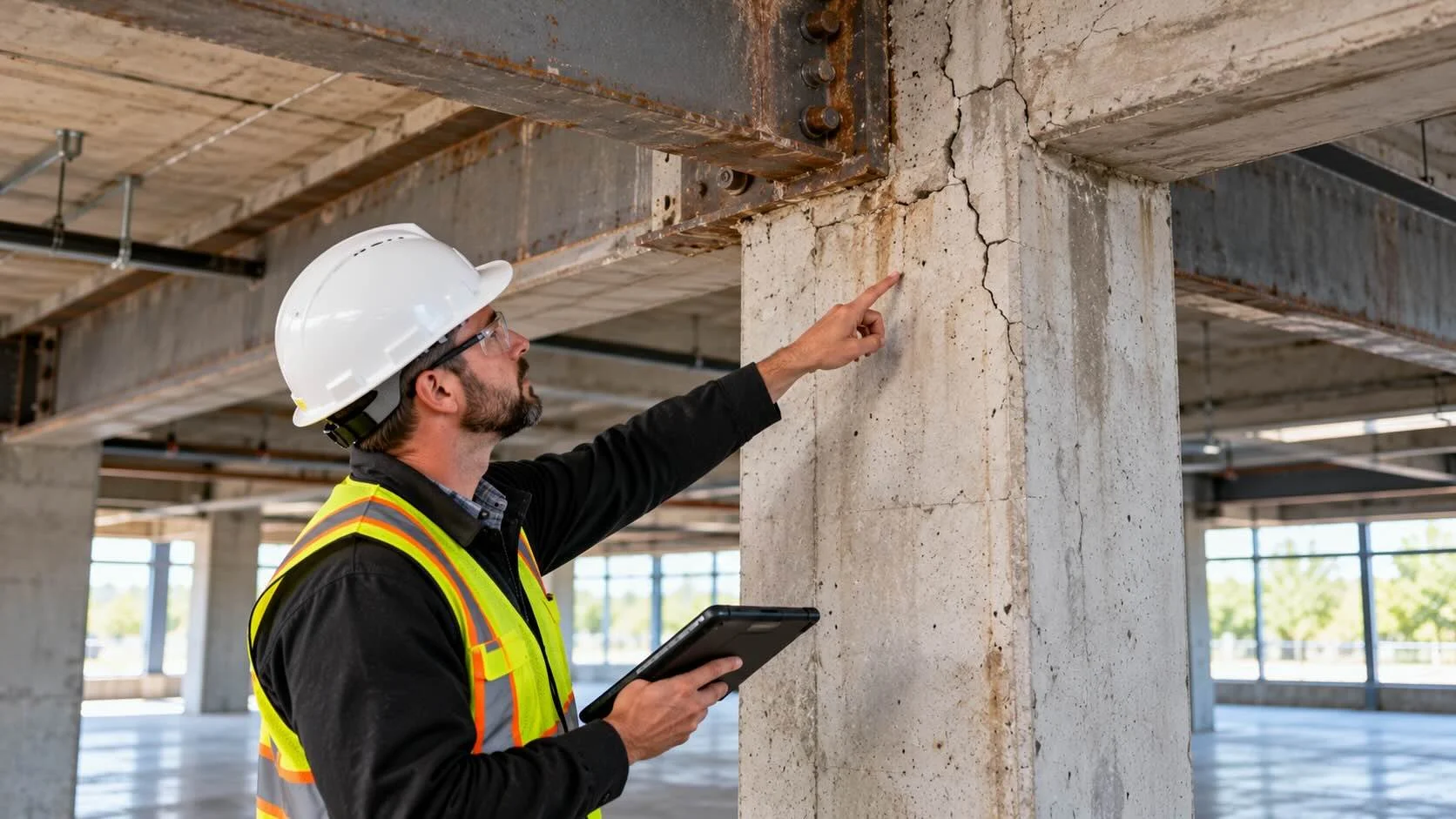
Structural problems can be intimidating—and potentially expensive.
Visible structural components should be evaluated for signs of unusual movement, cracking, deterioration, corrosion, settlement, or previous modification.
Not every crack means a building has a major structural problem. Buildings move, materials expand and contract, and minor cracking can occur for many reasons.
The important part is identifying conditions that warrant additional evaluation.
If significant structural concerns are discovered during a commercial inspection, a structural engineer may be recommended for a more specialized assessment. That is exactly the kind of information you want before buying a commercial property, not after.
7. Walk the Parking Lot, Sidewalks, and Exterior Property
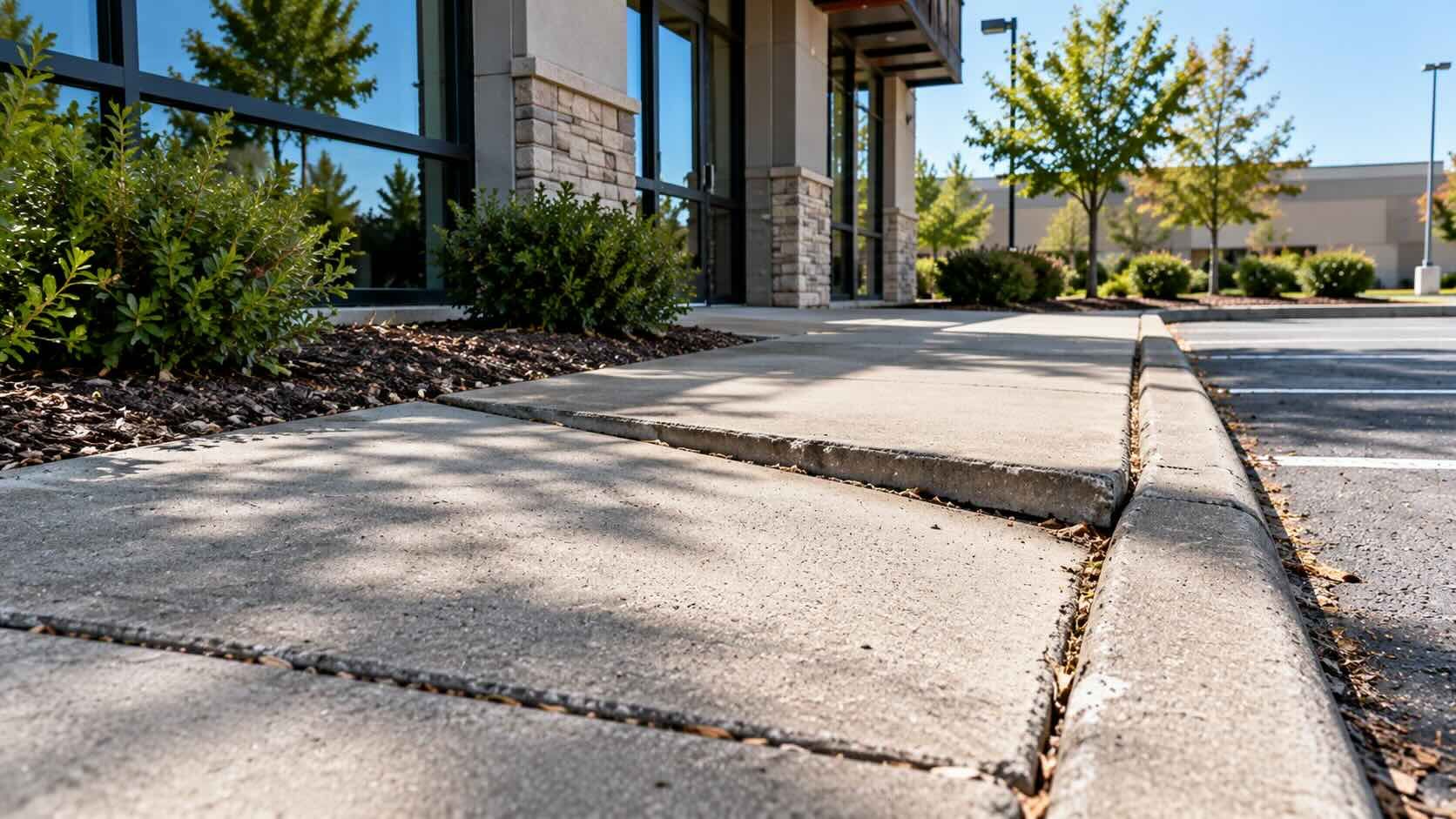
Buyers naturally focus on the building, but the surrounding property can represent a significant expense too.
Large parking lots are particularly easy to underestimate.
Cracking, potholes, drainage problems, settlement, deteriorated curbs, damaged sidewalks, and failing pavement may eventually require substantial repair or replacement.
You should also evaluate exterior stairs, ramps, retaining walls, loading areas, site drainage, and other improvements associated with the property. A commercial property inspection shouldn’t stop at the front door.
8. Consider Fire and Life-Safety Systems
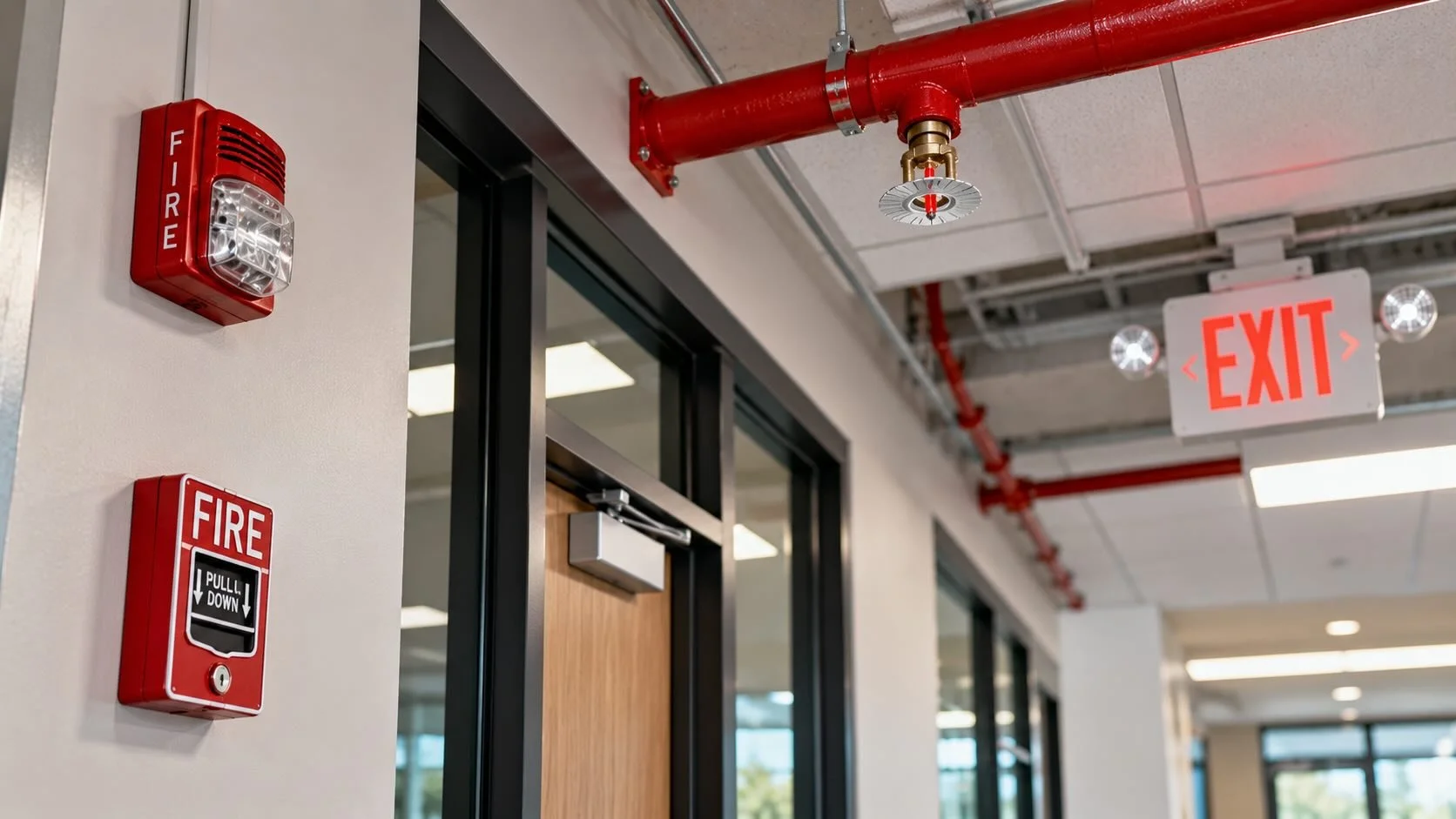
Depending on the type, size, age, and use of the property, commercial buildings may contain various fire and life-safety systems.
These could include fire alarms, sprinkler systems, fire extinguishers, emergency lighting, exit signage, fire-rated assemblies, and other safety equipment.
Requirements can vary substantially based on the jurisdiction and intended occupancy. If you’re planning to change how a building is used, determine whether that change could trigger additional requirements. A building that works perfectly well for one occupancy may require significant modifications for another.
9. Understand Accessibility Considerations
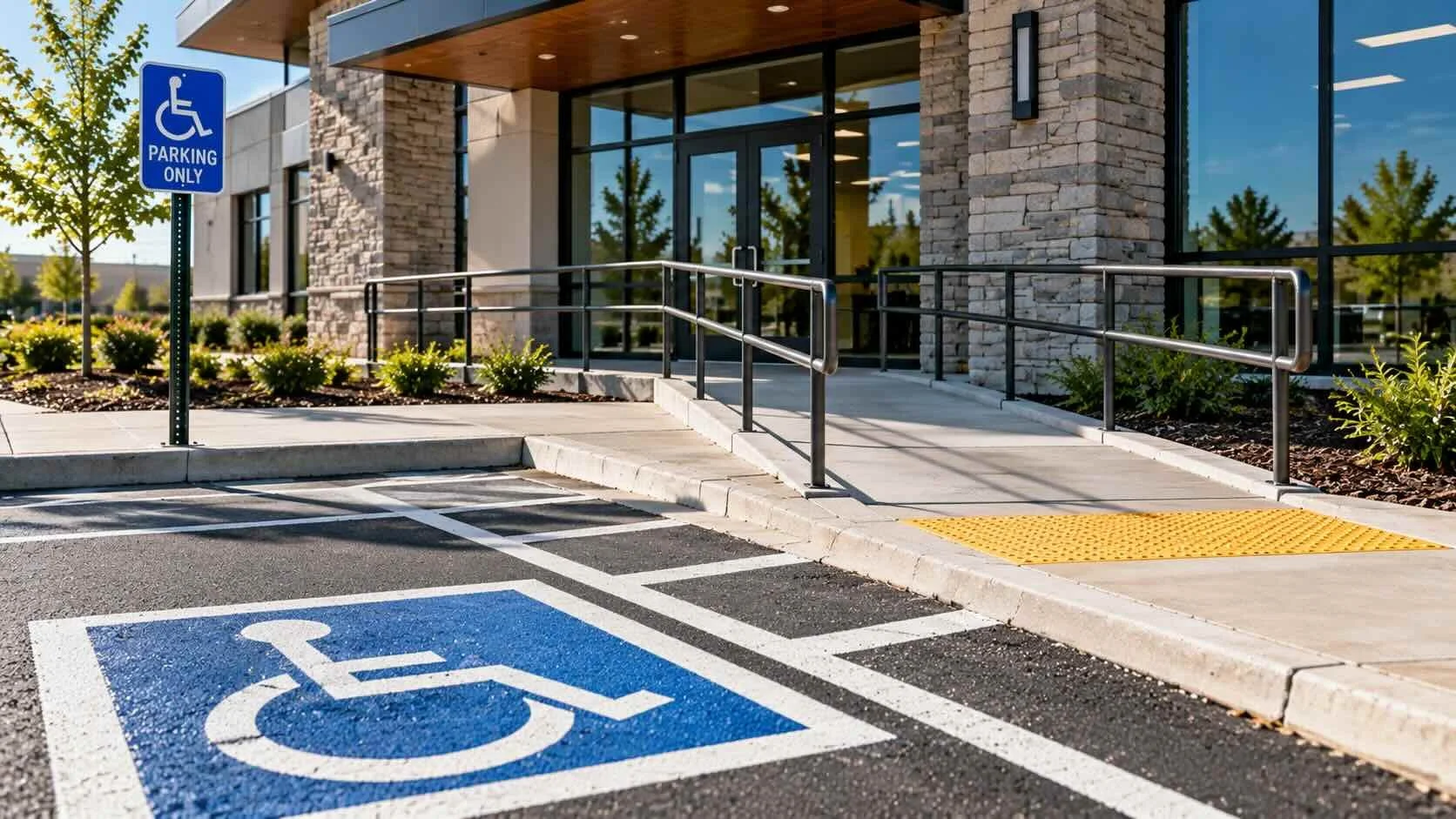
Accessibility can be another important part of commercial real estate due diligence.
Parking areas, accessible routes, entrances, doors, restrooms, ramps, and other building features may warrant review depending on the property and transaction.
Accessibility requirements can be complex, and a standard commercial property inspection is not necessarily the same thing as a formal accessibility compliance survey.
If compliance is a significant concern for the property you’re considering, consult an appropriately qualified professional before closing.
10. Research Environmental Concerns
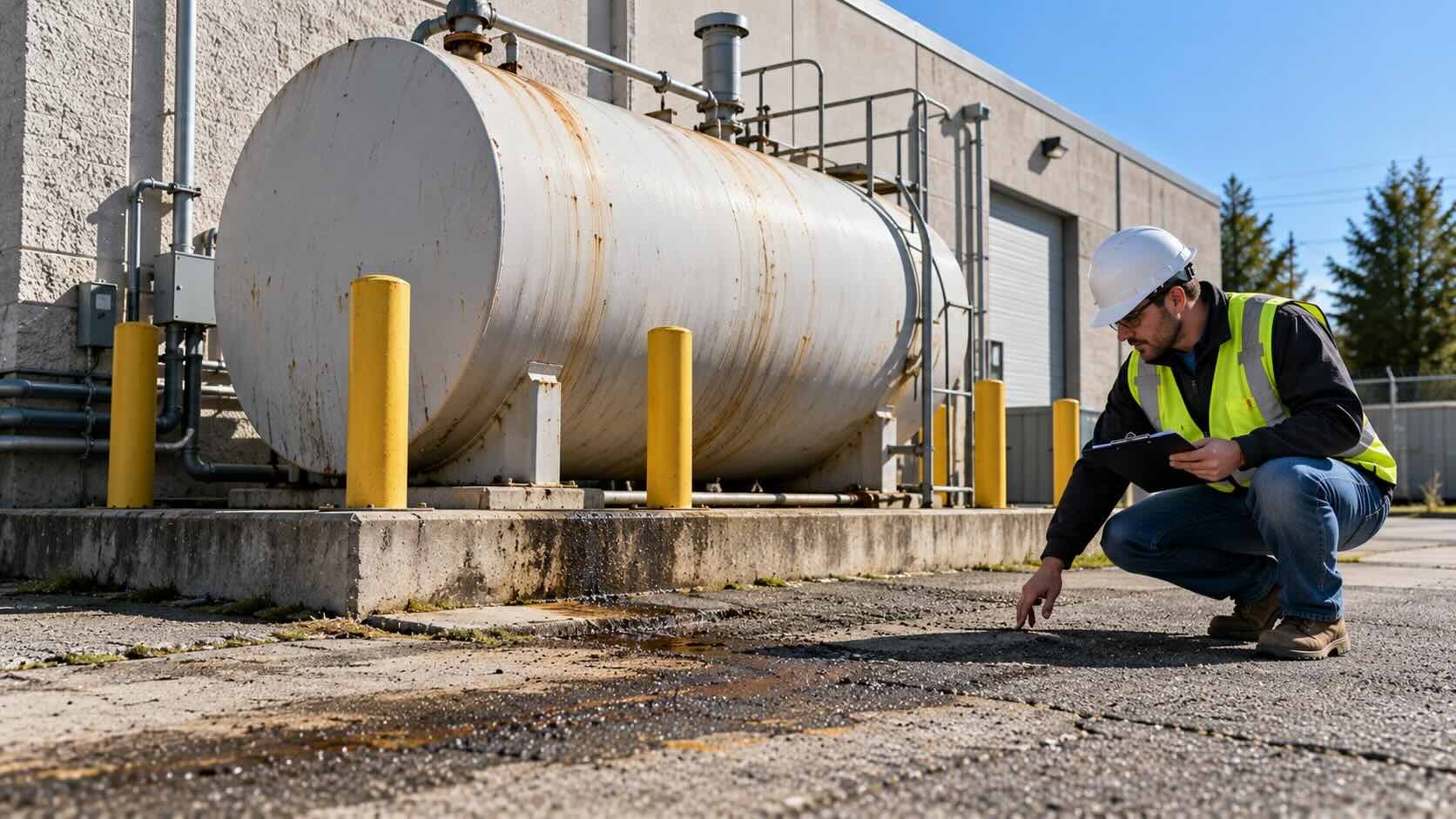
Environmental due diligence can be particularly important when purchasing certain types of commercial real estate.
Previous uses of the property—or neighboring properties—may matter.
Gas stations, dry cleaners, automotive facilities, manufacturing operations, industrial properties, and other historical uses can potentially create environmental concerns.
Depending on the transaction, lender, property, and historical use, an environmental professional may recommend a Phase I Environmental Site Assessment (Phase I ESA).
Older buildings may also contain materials that warrant specialized evaluation before renovation or demolition. Environmental assessments are specialized services and should be performed by qualified environmental professionals when appropriate.
11. Verify Zoning Before You Buy
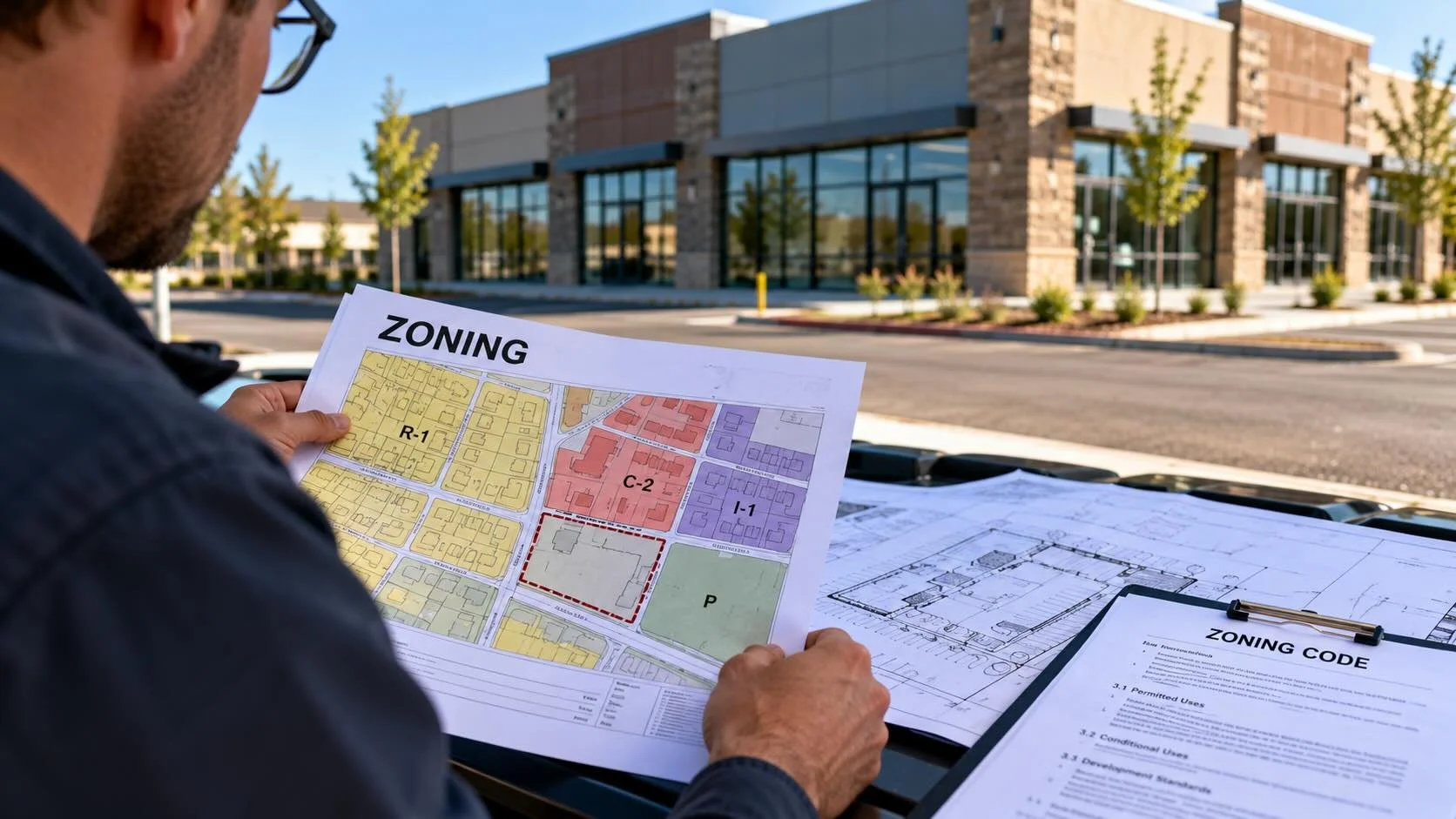
Imagine buying the perfect commercial building only to discover that you can’t legally use it the way you intended.
Before closing, confirm the property’s zoning and investigate whether your planned use is permitted.
Depending on your plans, you may need to research parking requirements, signage restrictions, occupancy classifications, conditional uses, setbacks, and other local requirements.
This is especially important if you’re planning substantial renovations or changing the building’s previous use. Never assume that because a property looks suitable for your business, your intended use will automatically be permitted.
12. Ask for Maintenance and Repair Records
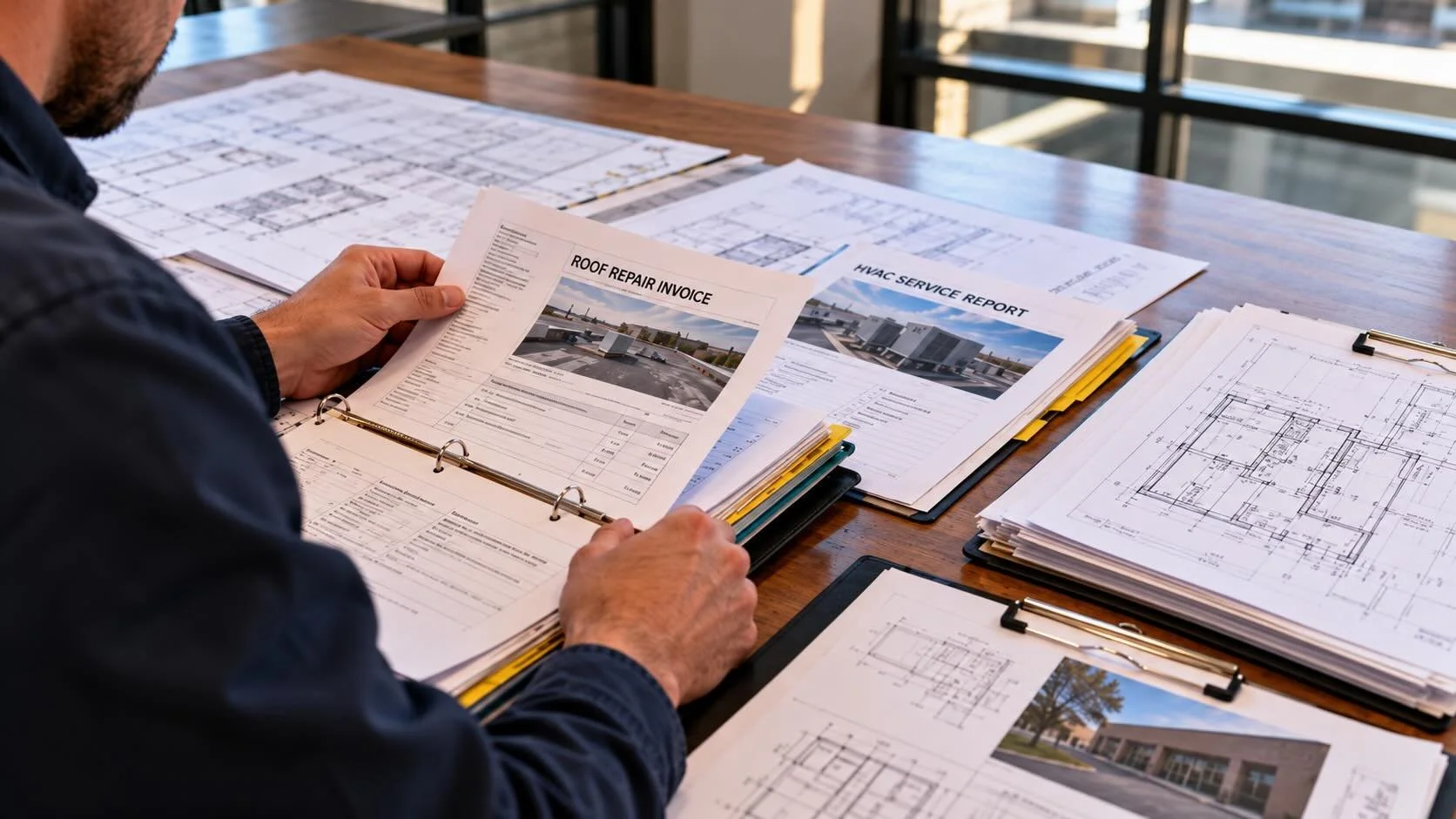
One of the easiest ways to learn about a commercial building is to study its history.
Ask the seller for available records involving roof repairs, HVAC service, plumbing repairs, electrical work, water intrusion, pest treatment, renovations, warranties, insurance claims, and other significant maintenance.
These records can help answer an important question: Has this building been maintained—or merely repaired when something broke? A long history of professional preventive maintenance can tell a very different story from years of deferred maintenance and temporary fixes.
13. Don’t Let Cosmetic Improvements Distract You
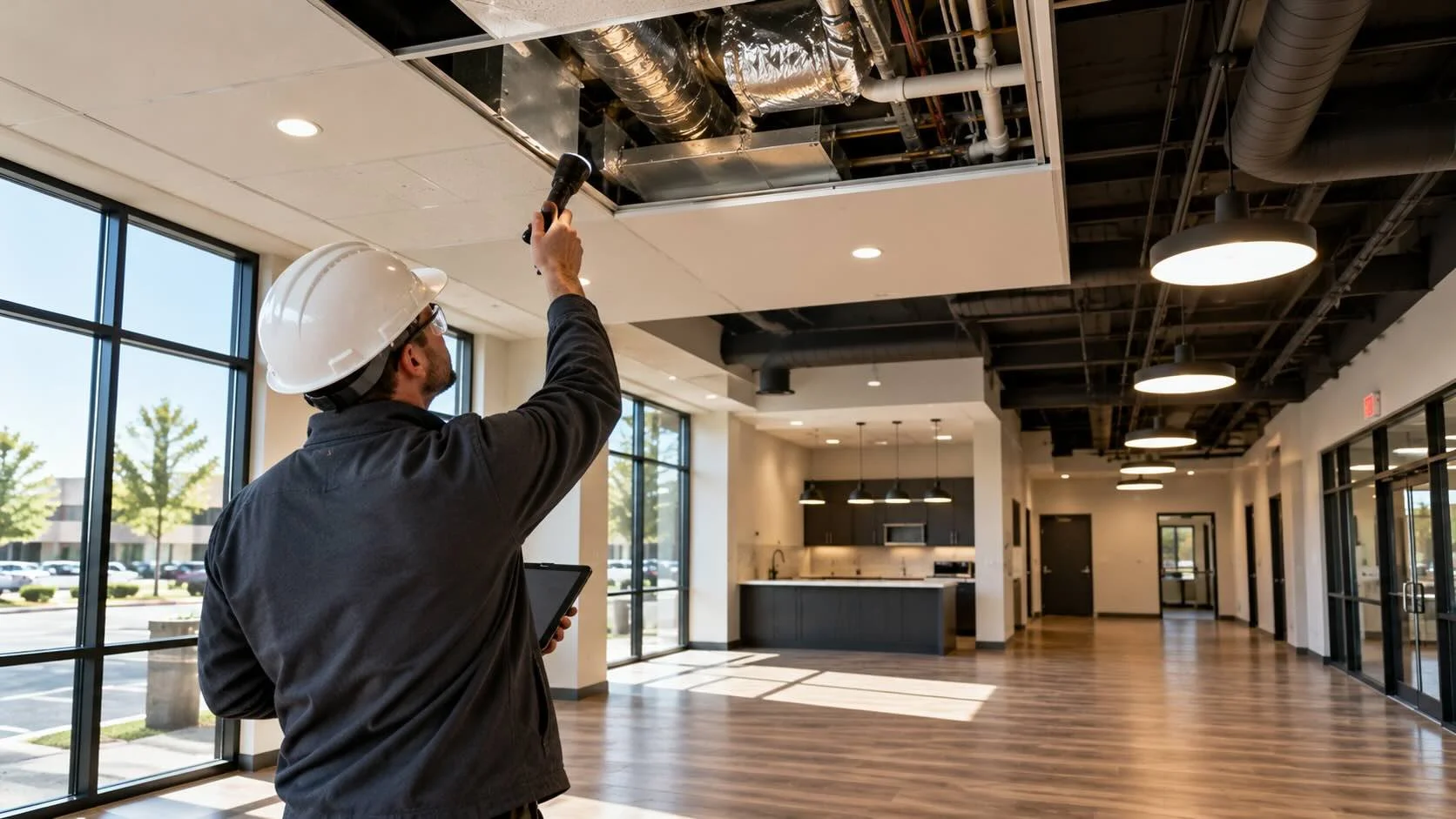
Fresh paint, new flooring, modern lighting, and updated finishes can make an older commercial property look impressive.
But cosmetic improvements don’t necessarily tell you anything about the condition of the building’s major systems.
A beautiful lobby can still sit underneath an aging roof. New flooring can still cover a concrete slab with moisture problems. Fresh paint can make evidence of previous leaks harder to recognize. When evaluating a commercial property, prioritize the expensive, difficult-to-replace systems over cosmetic finishes.
You can change paint, replacing a roof is a very different project.
14. Estimate Your Upcoming Capital Expenses
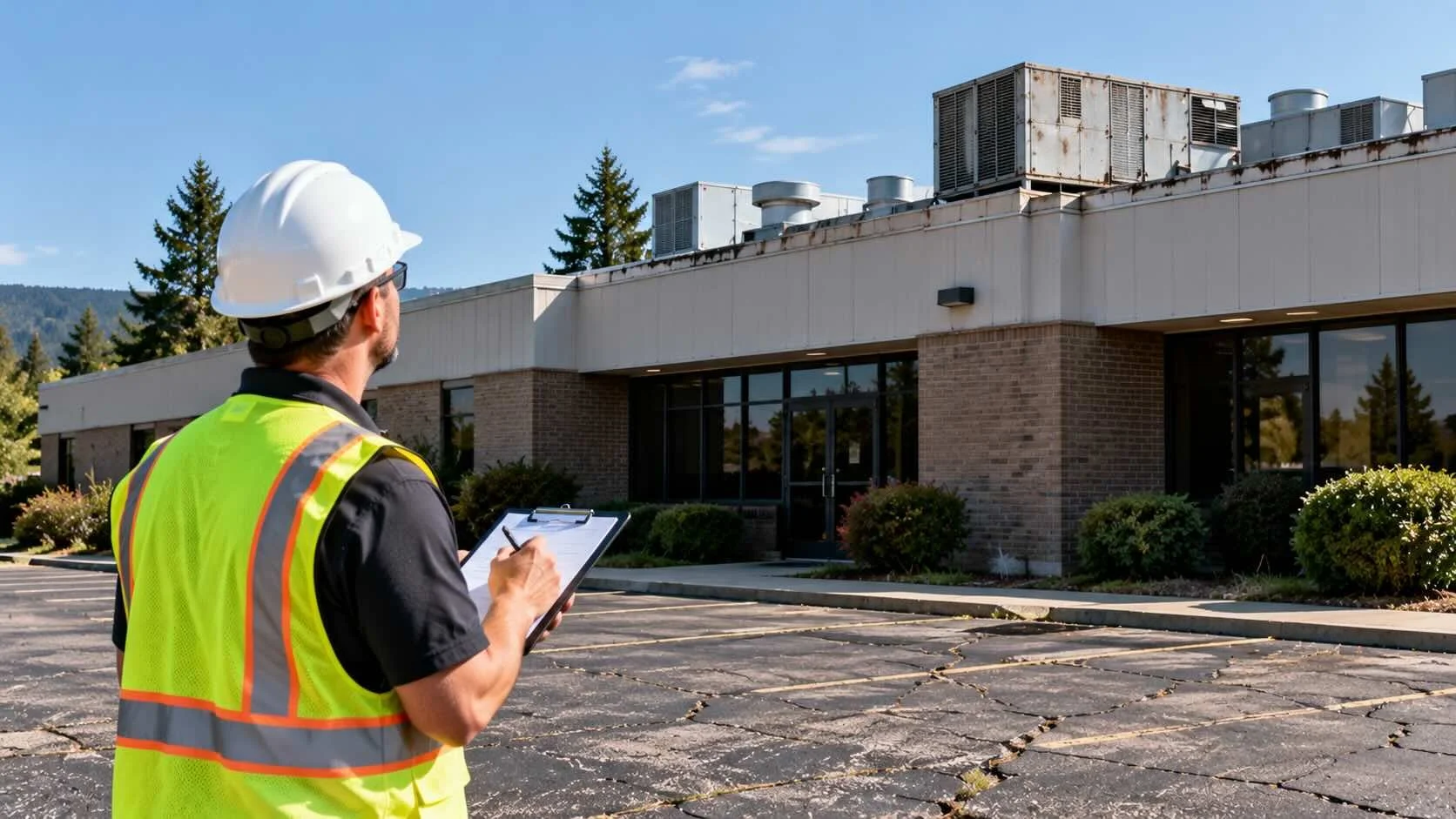
One of the most useful outcomes of commercial property due diligence is developing a clearer picture of upcoming expenses.
Suppose the building you’re considering has an aging roof, multiple older HVAC units, deteriorated parking surfaces, and windows that will eventually require attention.
None of those issues necessarily means you shouldn’t purchase the property.
But you need to know they’re there. Understanding potential future repairs allows you to develop a realistic commercial property maintenance budget and capital improvement plan.
That information may also factor into your negotiations, financing, renovation plans, or decision about whether the property fits your investment strategy.
15. Know the Difference Between an Inspection and a Guarantee
A commercial building inspection provides valuable information, but it’s important to understand what an inspection can and cannot do.
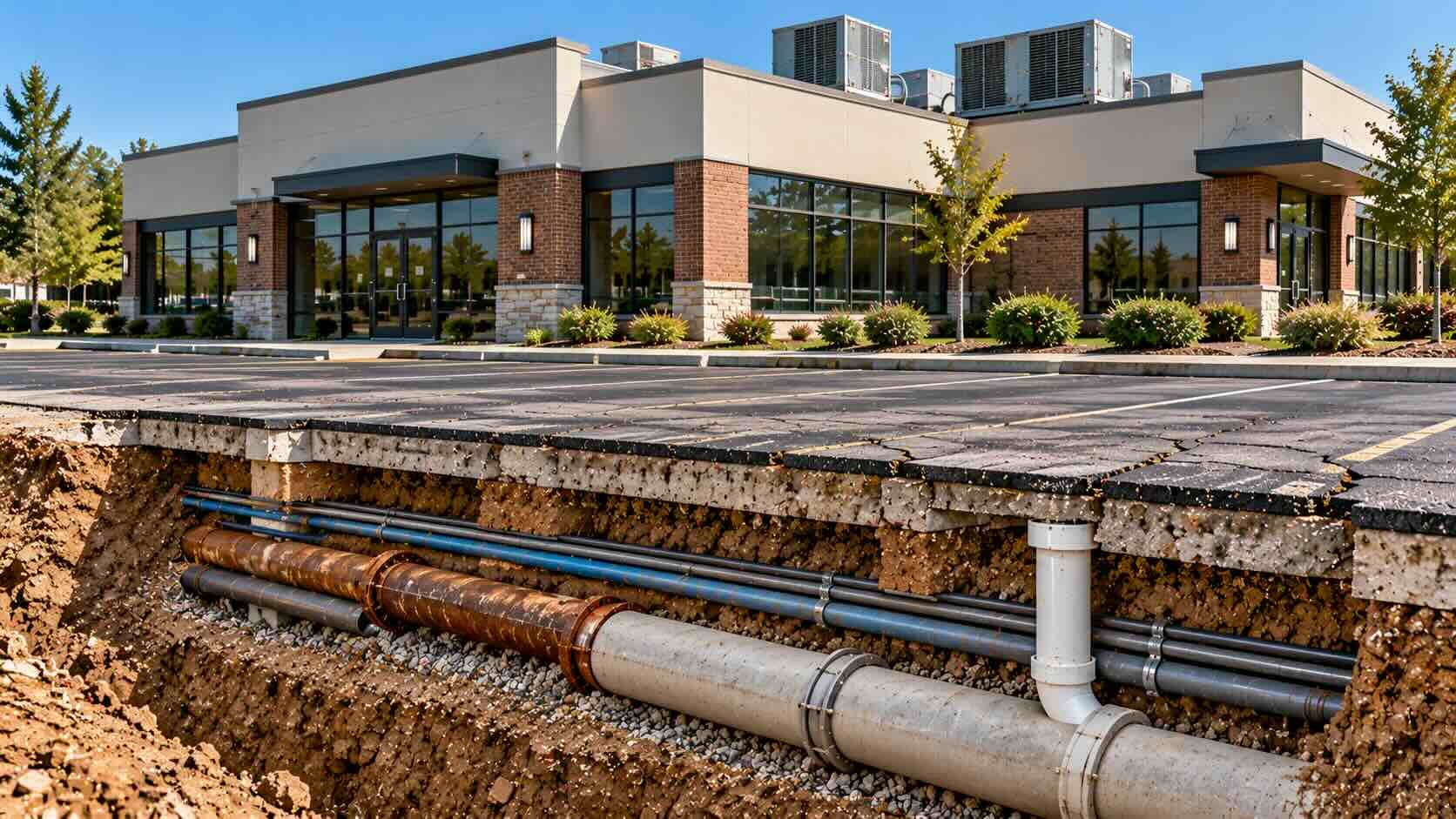
Buildings contain concealed components. Walls, underground piping, inaccessible roof areas, internal equipment components, and other systems may not be fully visible during a standard inspection.
An inspection therefore isn’t a guarantee that nothing will ever go wrong. Instead, it provides a professional assessment of accessible building components and observable conditions at the time of inspection.
When an inspector identifies an issue requiring specialized expertise, additional evaluation by an engineer, electrician, HVAC contractor, roofer, plumber, environmental consultant, or other qualified specialist may be appropriate.
Should You Get a Commercial Building Inspection Before Buying?
In most commercial real estate transactions, understanding the physical condition of the property is a critical part of due diligence.
Even experienced investors can benefit from another set of trained eyes.
A professional commercial building inspection before closing may identify defects you hadn’t noticed, provide additional context about the condition of major systems, highlight areas requiring specialist evaluation, and help you better anticipate future maintenance expenses.
Most importantly, it gives you information while you still have an opportunity to use it. After closing, the building—and its problems—generally become yours.
What Does a Commercial Property Inspection Include?
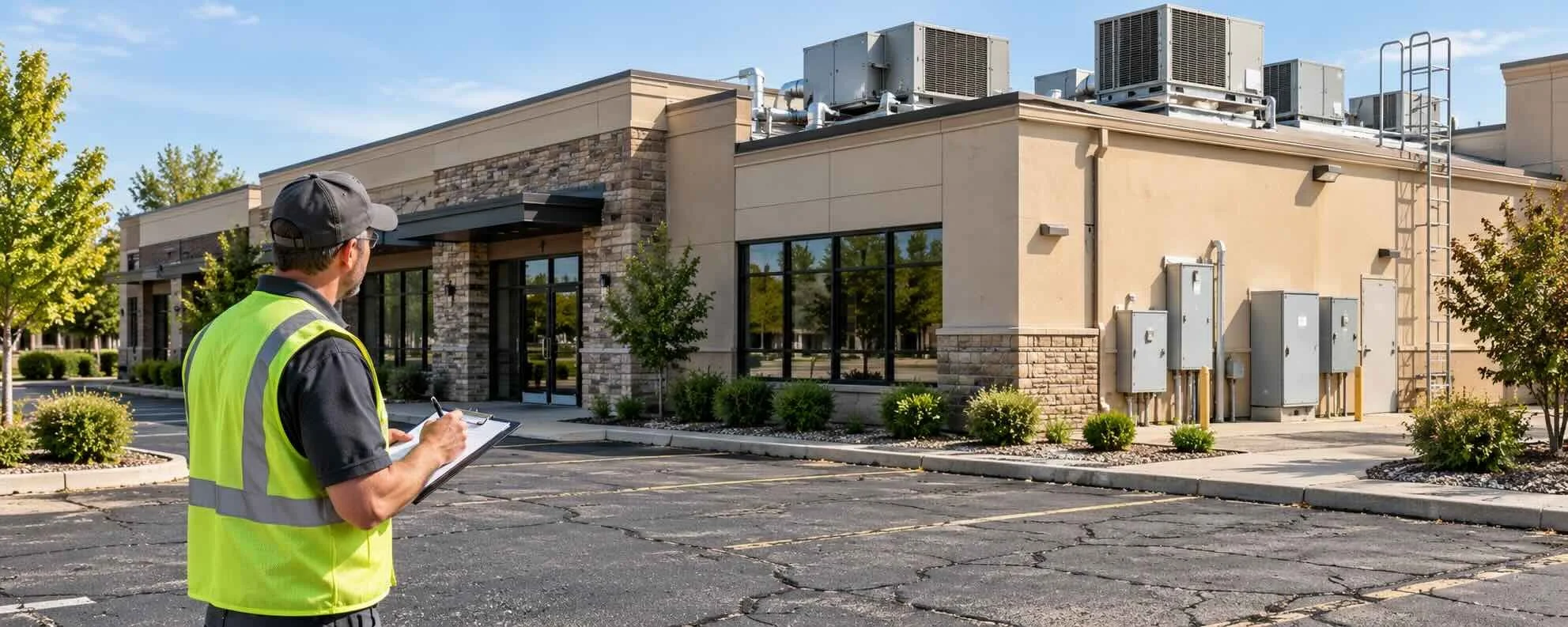
The exact scope of a commercial property inspection depends on the building, property type, inspector, and agreed scope of work.
Depending on the property, an inspection may include evaluation of accessible portions of the roof, exterior, structure, HVAC equipment, electrical systems, plumbing systems, interior components, parking and walking surfaces, drainage, and certain fire or life-safety components.
Specialized systems may require additional professionals.
That’s why it’s important to discuss the inspection scope before hiring a commercial inspector.
Ask exactly what is included, what isn’t included, and whether the inspector anticipates recommending additional specialists based on the type of property you’re purchasing.
When Should You Schedule a Commercial Property Inspection?
Ideally, schedule your commercial building inspection as early as possible during the commercial real estate due diligence period.
Waiting until the final days before your deadline can create unnecessary pressure.
If the initial inspection identifies a condition requiring evaluation by a structural engineer, roofer, electrician, environmental consultant, or another specialist, you’ll want enough time to arrange that evaluation and receive the results before making final decisions.
The more complicated the property, the more valuable that extra time can become.
Questions to Ask Before Buying a Commercial Building
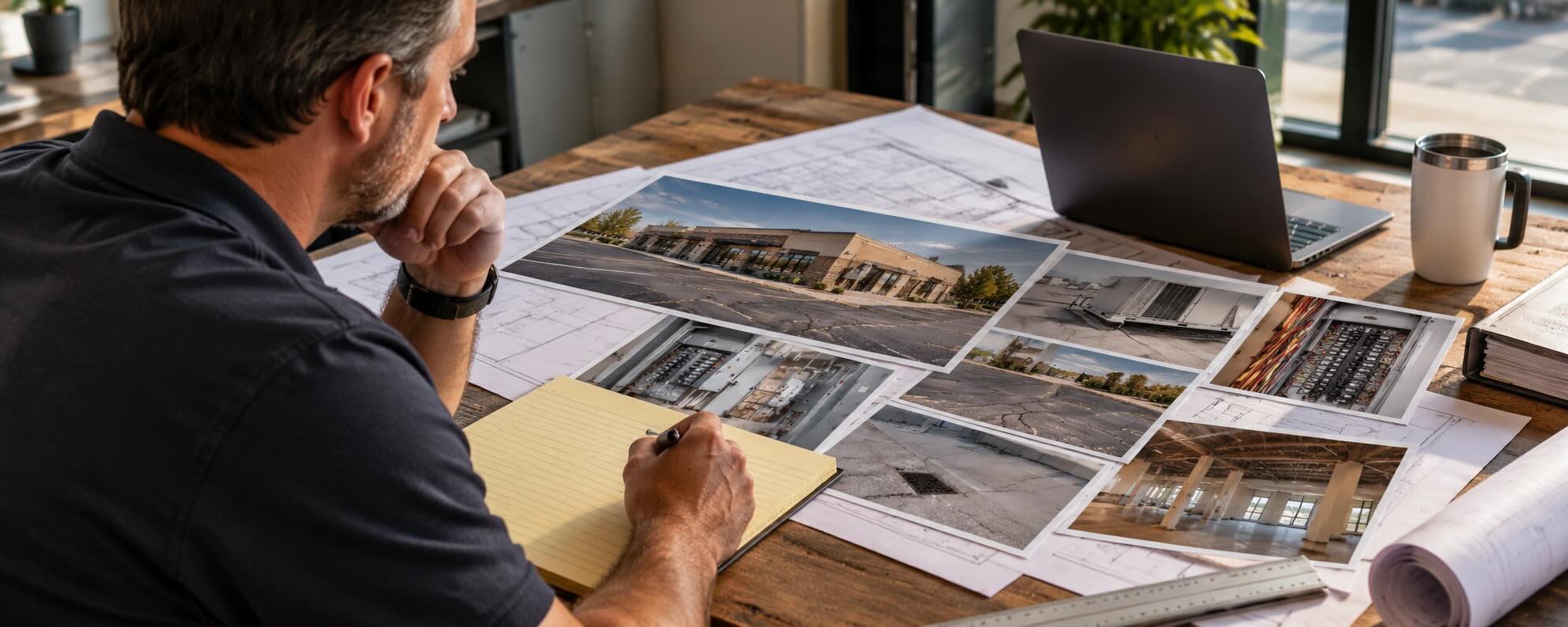
Before you close on a commercial property, make sure you can answer these questions:
What is the approximate age and condition of the roof?
How old are the HVAC systems?
Are maintenance records available?
Are there known plumbing or drainage problems?
Does the electrical system have adequate capacity for my intended use?
Are there visible structural concerns?
What condition are the parking lot and exterior improvements in?
Has the building experienced previous water intrusion?
Are there environmental concerns associated with the property or its previous uses?
Is my intended use permitted by current zoning?
Could my planned use or renovation trigger additional building requirements?
What major components may need replacement within the next several years?
What should I realistically budget for repairs and capital improvements?
Do any findings warrant evaluation by a specialist?
You don’t need a perfect building, you just need to know what you’re buying.
The Cheapest Commercial Building Isn’t Always the Best Deal
Purchase price is only one part of the cost of owning commercial real estate.
Consider two similar properties.
One costs less but has an aging roof, older HVAC equipment, deteriorated pavement, and years of deferred maintenance. The other costs more but has recently replaced major systems and a documented maintenance history.
The less expensive property isn’t automatically the better investment.
This is where understanding the true cost of commercial property ownership becomes important.
Purchase price plus immediate repairs, planned renovations, deferred maintenance, and upcoming capital expenditures provides a much more useful picture than the asking price alone.
Don’t Skip Due Diligence Because the Building “Looks Good”
Some of the most expensive building problems aren’t obvious during a casual walkthrough. That’s precisely why commercial real estate buyers have due diligence periods. Use yours.
Review the documents. Research the property. Understand the zoning. Investigate environmental concerns when appropriate. Examine maintenance records. And have the physical property professionally inspected.
A few hours spent carefully evaluating a property before closing can reveal information that affects years of ownership.
Before You Sign, Know What You’re Buying
Buying commercial real estate can be an exciting step. It can give your business a permanent home, create an income-producing investment, or become an important part of your long-term financial strategy.
But don’t let excitement rush the due diligence process.
The best time to discover that a commercial building needs a new roof, several HVAC units, significant electrical upgrades, drainage improvements, or structural repairs is before you own it.
A thorough commercial building inspection and well-planned commercial real estate due diligence process can help you understand the property’s condition, anticipate future expenses, and make your purchasing decision with better information.
Because when you’re buying a commercial building, you’re not just buying square footage.
You’re buying every system, repair, maintenance obligation, and future capital expense that comes with it.
So before you close, make sure you know exactly what you’re getting.